Kitchen Knife Safety: 10 Habits That Prevent Cuts
This article contains affiliate links. If you buy through them, we may earn a commission at no extra cost to you.
Most kitchen cuts come from a few avoidable situations: a slipping board, a dull blade, a knife hidden in soapy water. Build these ten habits and you'll cook faster and more confidently.
Setting up
- Anchor your board. A damp towel or non-slip mat underneath stops it moving.
- Keep the knife sharp. Sharp knives need less force and are less likely to slip.
- Clear your workspace. Give yourself room so your elbow doesn't knock things over mid-cut.
While cutting
- Use the claw grip. Curl the fingertips of your guiding hand under, so your knuckles guide the blade.
- Make round food flat. Cut a thin slice off onions, potatoes or melons so they sit flat before you continue.
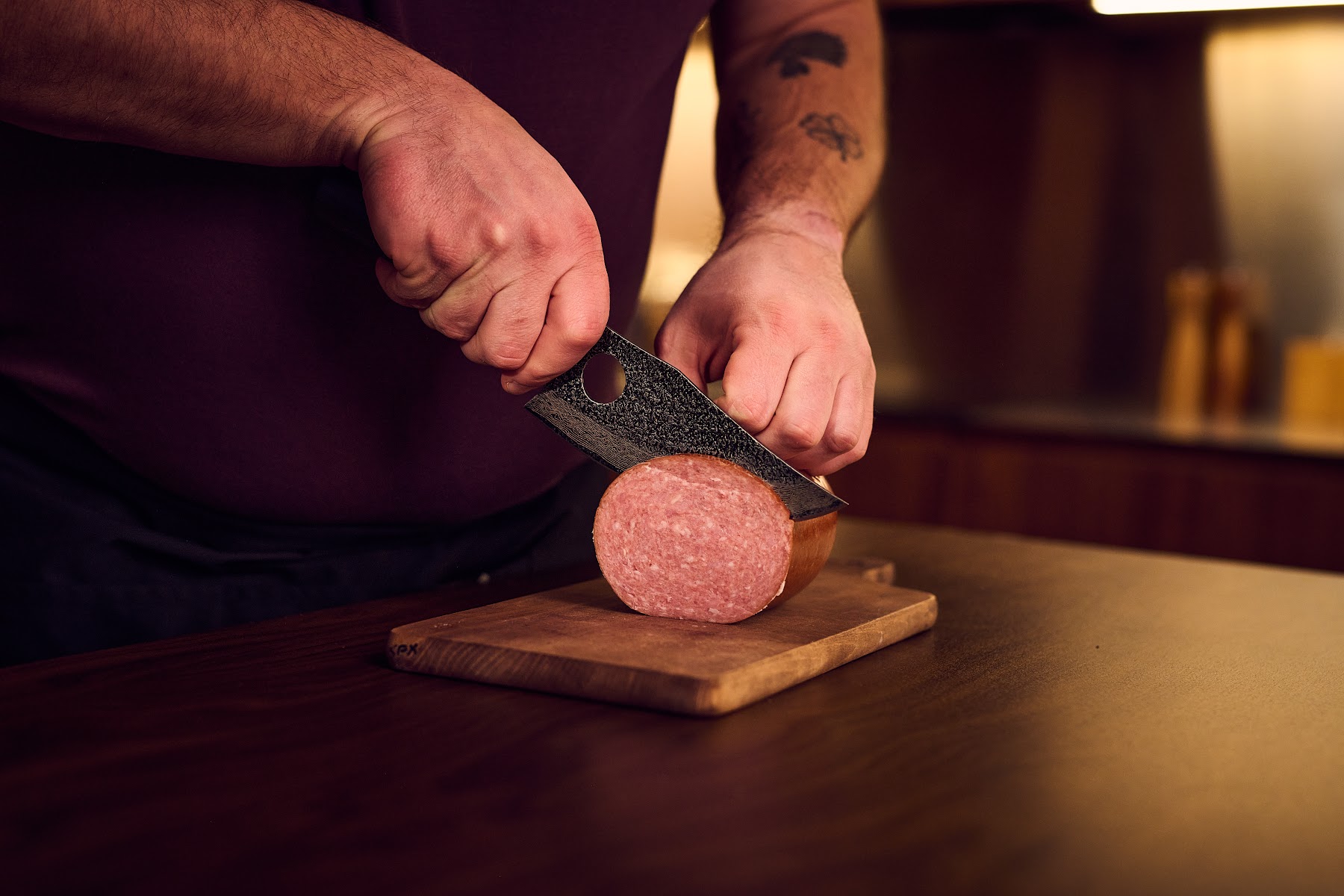
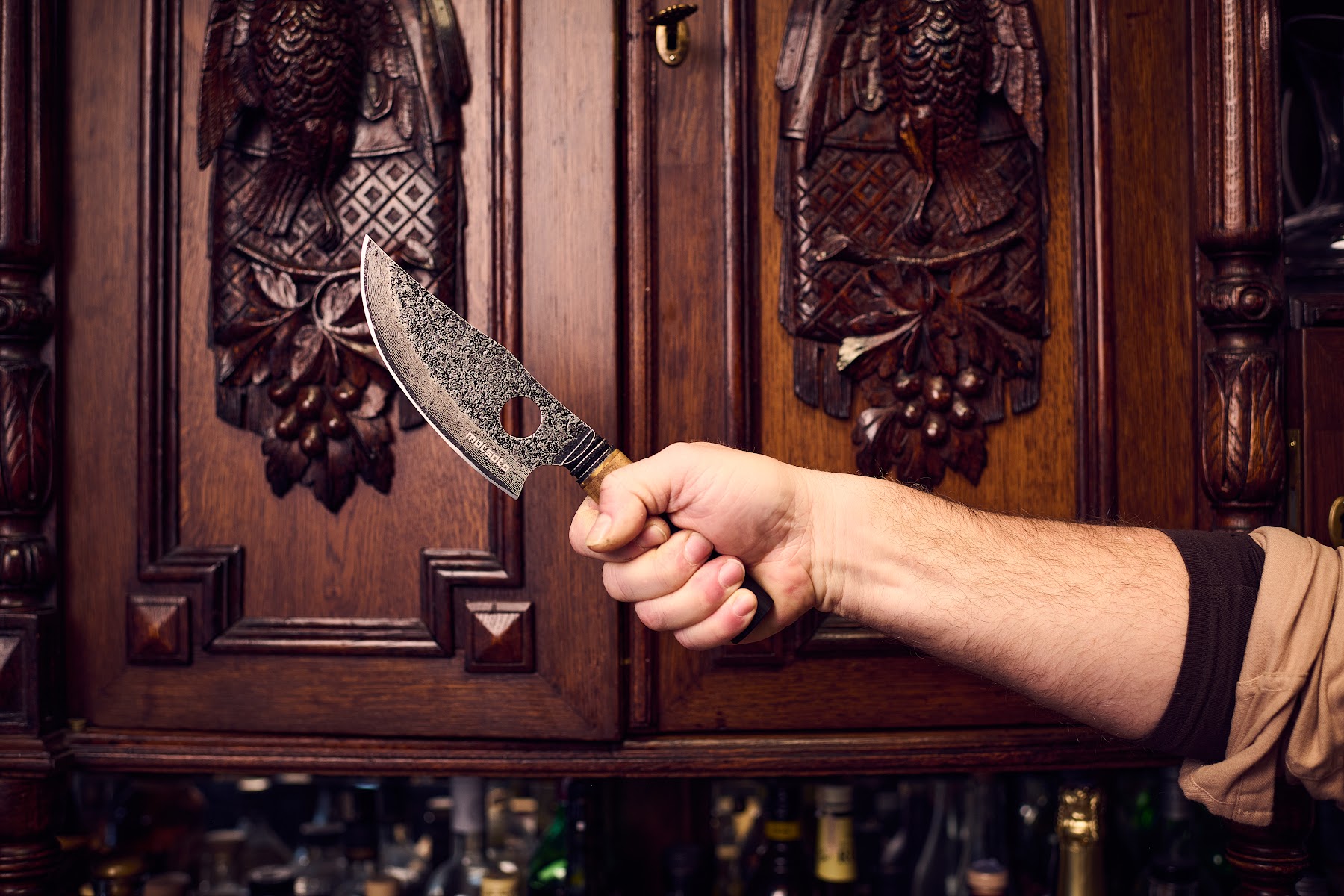
- Keep a secure grip. A handle that's wet or greasy is a risk. Dry your hands, and consider a knife whose grip locks your finger in place.
- Never catch a falling knife. Step back and let it drop.
Cleaning and storing
- Don't leave knives in the sink. Wash them right away, one at a time, blade facing away from you.
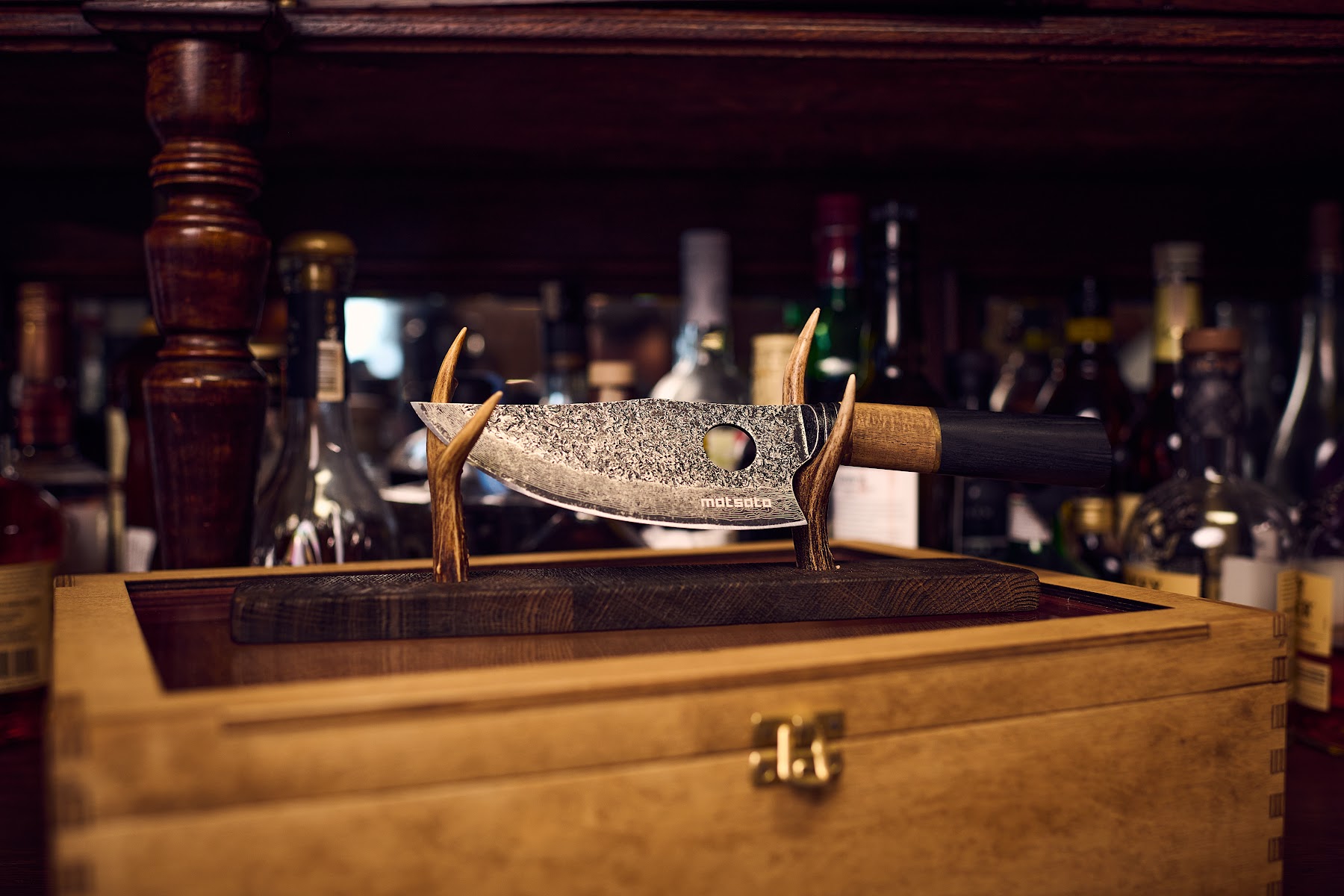
- Store them properly. Use a block, a magnetic strip or blade guards, never loose in a drawer.
- Carry with the tip down. In shared kitchens, call out "knife behind" when walking past others.
Extra tips for catering and event teams
- Give each prep station its own knife so blades aren't passed between people.
- Keep a first-aid kit with blue, food-safe bandages close to prep areas.
- Follow your local health department's rules on equipment and food handling.
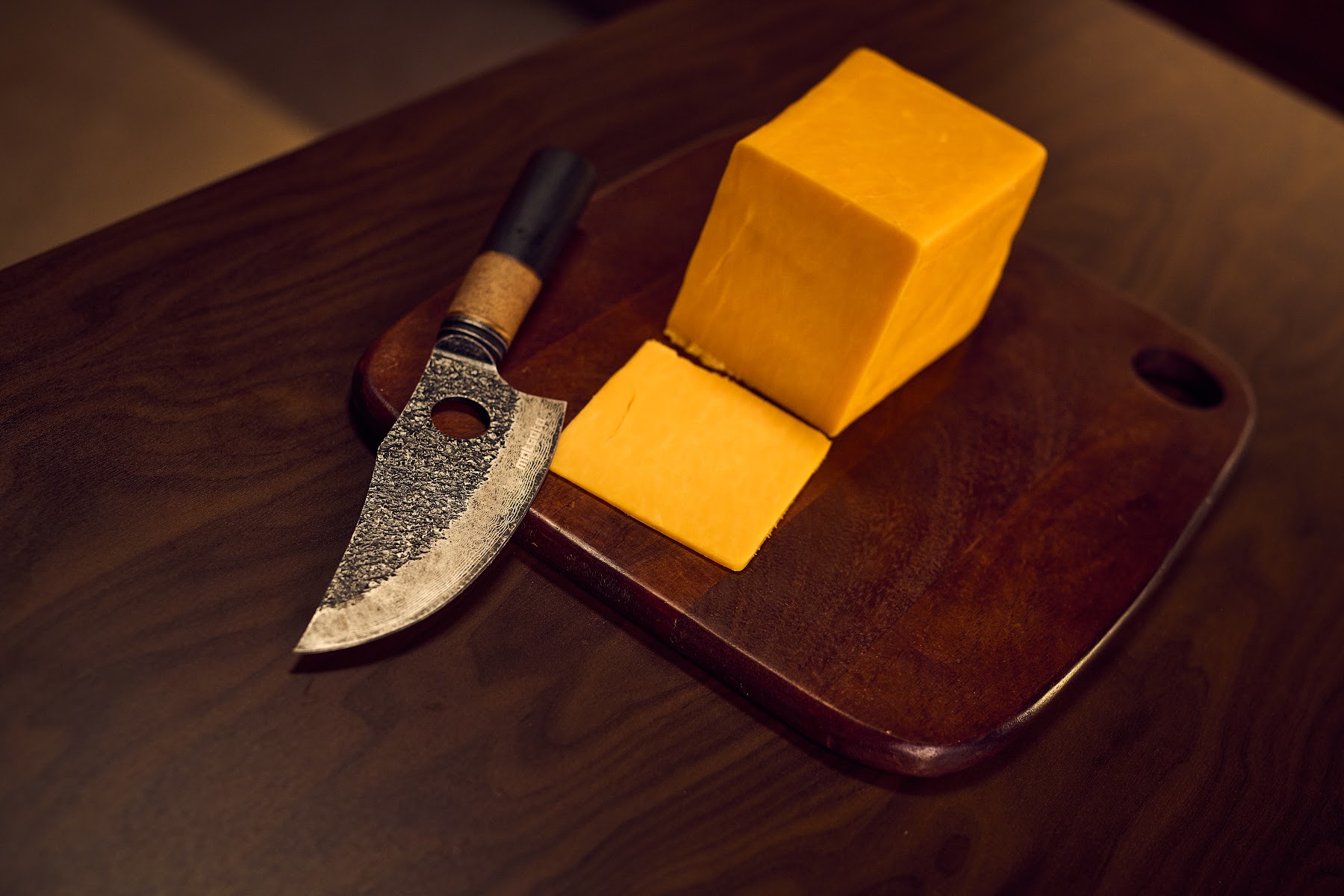
Control is the foundation of safe cutting. See how a finger-hole grip helps keep the blade steady.